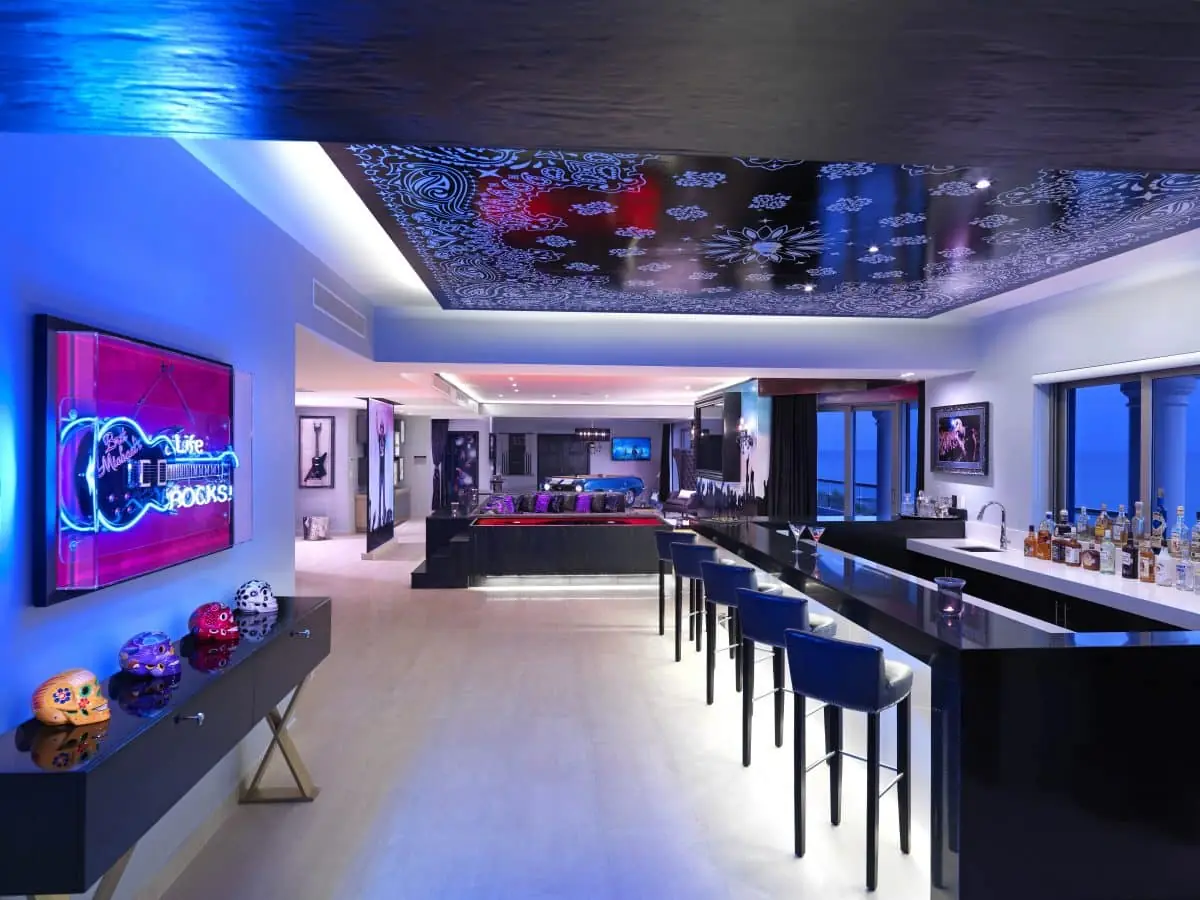
Top Suite Experiences in America: Definitive Luxury Guide
The contemporary market for elite domestic lodging features a complex hierarchy. Multi-room residential sanctuaries, urban penthouses, and heritage resort estates define high-end hospitality. Furthermore, discerning travelers frequently discover that identifying premier accommodations requires looking far past generic promotional lists. Evaluating top-tier properties demands an appreciation of structural architecture and bespoke service models. Consequently, mastering these variables transforms the search for high-end lodgings into an exercise in rigorous asset evaluation.
Moreover, the domestic luxury lodging market operates under shifting economic constraints and fluctuating seasonal yields. Standard consumer travel platforms routinely obscure critical structural indicators. True square footage distributions, private elevator access, and acoustic insulation ratings often remain hidden. Therefore, establishing an analytical framework for evaluating top suite experiences in america safeguards against inflated marketing claims. Optimal experiential value across distinct urban and rural markets depends on this careful curation.
Additionally, navigating this specialized domestic sector demands an uncompromising editorial perspective. Whether evaluating a glass-walled residential penthouse or a historic New England estate, understanding underlying asset quality protects travel capital. Ultimately, this comprehensive guide provides an objective examination of the conceptual frameworks required. Professionals must identify and secure reservations for the finest top suite experiences in america with professional precision.
Understanding “top suite experiences in america”
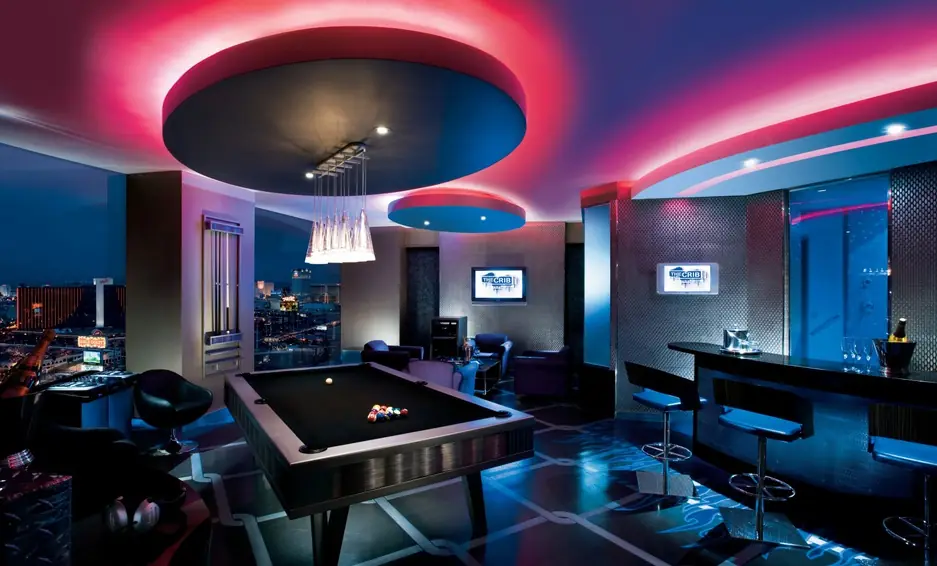
The phrase top suite experiences in america is frequently oversimplified. Commercial travel blogs often reduce intricate architectural achievements to superficial popularity contests. Bespoke butler staffing models and multi-room layouts get treated as mere marketing talking points. However, these generalized summaries ignore critical structural realities. Zoning constraints in historic urban districts and proprietary security perimeters demand careful attention. Furthermore, travelers must distinguish between junior rooms and true multi-room residential compounds.
In professional asset evaluation, executing a proper analysis requires focusing on measurable structural parameters. These parameters include interior volumetric space-to-occupant ratios and acoustic decibel transmission loss. Moreover, independent climate control zones and private subterranean entries dictate true luxury performance. A common misunderstanding assumes that top-tier domestic lodging is defined exclusively by high room rates. In reality, true exceptionalism lies in seamless operational discretion and architectural harmony.
Analyzing these operational challenges requires recognizing a fundamental tension. Planners must balance high-density urban development with secluded spatial privacy. An asset analyst investigating top suite experiences in america will find hidden compromises. Properties claiming premier status frequently sacrifice outdoor terrace privacy or suffer from urban noise pollution.
Planners relying entirely on surface-level review scores routinely miss critical engineering flaws. Therefore, mastering the core principles involves deep collaboration. Hospitality conglomerates, independent boutique owners, and master architects must unite. Together, they establish enduring benchmarks of domestic hospitality excellence.
Deep Contextual Background
The historical evolution of ultra-luxury suite accommodations traces distinct roots. Nineteenth-century railway expansion and urban industrialization created a wealthy class of financiers. These industrialists demanded permanent residential opulence during their domestic travels. Properties like the Plaza in New York established the prototype of the residential hotel suite. Private drawing rooms, dining salons, and auxiliary staff quarters defined this era.
Throughout the late twentieth century, corporate restructuring introduced standardized brand flagships. Uniform loyalty point systems dominated the market. However, a parallel boutique movement soon emerged. This movement prioritized hyper-localized architectural design and wellness integration.
By the mid-2020s, new socioeconomic shifts accelerated market demand. The convergence of remote executive leadership and generational wealth transfers changed travel habits. Modern travel architects now balance high-tech in-room automation with organic material craftsmanship. Examining this sector requires navigating a mature domestic market. Iconic historic grande dames and cutting-edge urban flagships define the dual pillars of exceptional execution.
Conceptual Frameworks and Mental Models
Evaluating the structural maturity and experiential quality of premier domestic suites relies on structured mental models:
-
The Volumetric Privacy Coefficient: Measures the ratio of private, enclosed interior square footage to shared public amenity space per guest.
-
The Staff-to-Suite Discretion Index: Evaluates the ratio and specialized training level of dedicated attendants, private butlers, and security personnel assigned to high-tier inventory.
-
The Architectural Integration Metric: Assesses how seamlessly multi-room suites incorporate regional topography, natural lighting, and acoustic dampening.
-
The Operational Redundancy Threshold: Quantifies the property’s ability to maintain uninterrupted luxury service standards during peak regional occupancy or severe weather events.
Key Categories or Variations
| Suite Experience Category | Primary Architectural Focus | Core Operational Trade-Off |
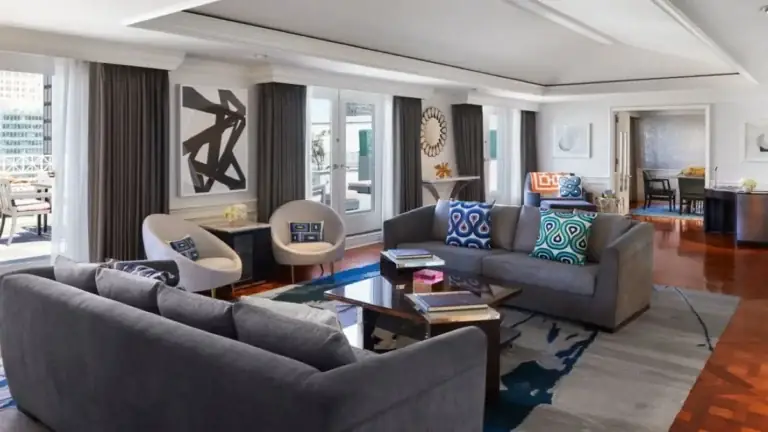
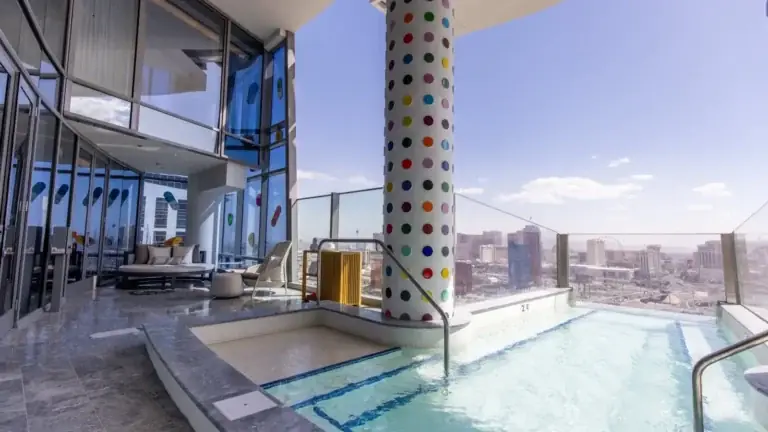
| Metropolitan Vertical Penthouses | High-rise urban skyline dominance and integrated smart-home automation | Delivers maximum city views offset by potential elevator wait times and urban noise |
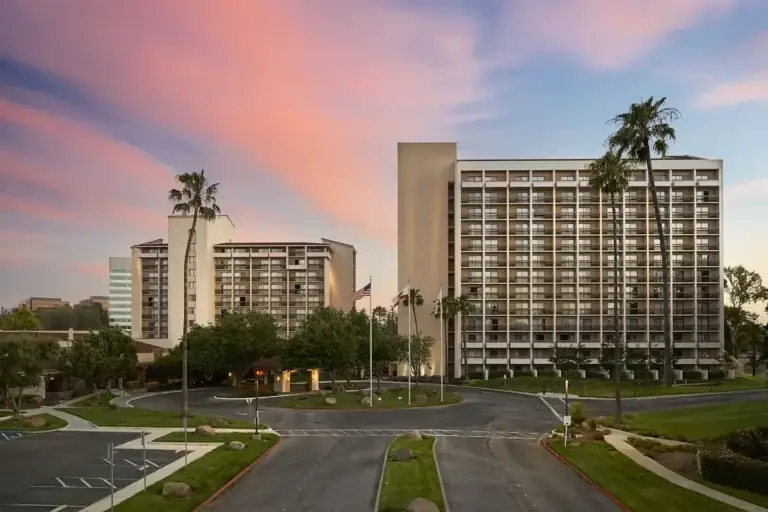
| Historic Heritage Suites | Preservation of nineteenth-century architectural molding, woodwork, and scale | Offers unmatched historical character offset by modern HVAC and plumbing retrofitting limits |
| Coastal Resort Compound Villas | Indoor-outdoor flow with private plunge pools, lanais, and oceanfront vistas | Maximizes natural seclusion offset by vulnerability to coastal weather elements |
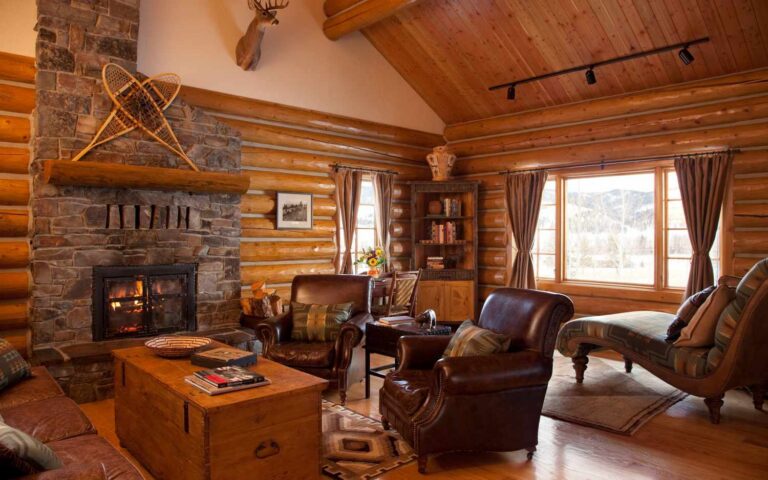
| Alpine Wilderness Lodges | Timber-and-stone rustic luxury featuring stone fireplaces and ski-in access | Provides rugged seclusion offset by seasonal accessibility and remote infrastructure |
| Desert Wellness Sanctuaries | Minimalist rammed-earth architecture emphasizing private courtyards and silence | Delivers profound environmental isolation offset by extreme thermal management demands |
| Working Agricultural Estates | Immersive farm-to-table integration within operating vineyards or ranches | Offers hyper-local culinary authenticity offset by rural distance from major urban airports |
When applying decision logic to these variations, discerning travelers must align property selection with the explicit purpose of the deployment. Metropolitan vertical penthouses suit high-stakes financial negotiations and executive board retreats. Conversely, coastal resort villas and desert wellness sanctuaries attract creative project teams seeking uncompromised environmental restoration.
Detailed Real-World Scenarios
Curating a Secure Executive Board Retreat in a Metropolitan Vertical Penthouse
A Fortune 100 enterprise coordinates a four-day strategic planning session for its executive board. The venue is a multi-room penthouse suite at a premier urban flagship.
-
Constraint: Directors require absolute digital and acoustic privacy to review confidential merger data. Seamless high-bandwidth connectivity and catered dining integration are mandatory.
-
Failure Mode: Selecting a standard luxury floor plan results in compromised audio privacy through shared partition walls. Interruptions from public hotel traffic compound the risk.
-
Decision Point: Secure a dedicated top-floor penthouse wing featuring private keycard elevator access. Implement soundproofed boardroom partitioning and assign a private butler team.
Securing a Multi-Generational Family Compound for an Extended Coastal Retreat
A private family office coordinates a three-week summer gathering across multiple interconnected coastal villas at a top-tier New England resort.
-
Constraint: The group includes elderly relatives requiring accessible single-level navigation. Young children simultaneously need independent living spaces.
-
Failure Mode: Booking standard resort rooms forces family fragmentation across distant hallways. This fragmentation complicates daily coordination and degrades the shared holiday experience.
-
Decision Point: Reserve a multi-bedroom residential estate villa featuring a central common living pavilion. Flank this hub with independent private bedroom wings and private outdoor dining terraces.
Orchestrating a Confidential Creative Residency in an Alpine Wilderness Lodge
A media production syndicate books a remote mountain lodge suite enclave in the Rocky Mountains to finalize a high-profile creative project.
-
Constraint: The team requires complete environmental isolation and reliable backup power systems during winter storms. Private chef services must operate continuously.
-
Failure Mode: Relying on standard resort booking channels leads to unexpected seasonal service disruptions. Public tourist exposure in common dining spaces disrupts workflow.
-
Decision Point: Engage direct property management to execute a private buyout of an isolated chalet cluster. Ensure dedicated culinary staff and secure local logistics.
Planning, Cost, and Resource Dynamics
Executing a reservation strategy for premier domestic suites involves balancing high nightly financial outlays. Intangible assets like absolute privacy and operational efficiency justify these investments. Furthermore, the economic model requires analyzing indirect expenses against total trip value.
| Economic Variable | Financial Variability | Strategic Impact on Asset Evaluation |
| Base Nightly Suite Tariffs | Premium Fixed Cost | Secures elite spatial volume but requires rigorous budget justification |
| Private Butler & Staff Gratuities | Variable Service Fee | Ensures hyper-attentive hospitality offset by substantial additional expenditure |
| Dedicated Security Details | Hourly Professional Retainer | Safeguards high-profile occupants offset by complex logistical coordination |
| In-Suite Culinary Provisioning | Consumption-Based Surcharge | Eliminates public dining friction offset by inflated ingredient and preparation tariffs |
Tools, Strategies, and Support Systems
-
Exclusive Travel Consortia Networks: Vetted agency portfolios providing unadvertised amenities, priority upgrades, and direct general manager access.
-
Direct Property Director of Sales Channels: Secure communication pathways bypassing standard web booking engines to negotiate custom multi-room contracts.
-
Private Aviation and Ground Coordination Desks: Specialized logistical partners managing seamless tarmac-to-suite transfers for high-profile travelers.
-
Acoustic and Digital Security Assessment Playbooks: Diagnostic tools verifying room privacy and secure network provisioning prior to arrival.
-
Concierge Relationship Management Portals: Proprietary property software tracking guest preferences, dietary requirements, and past stay history.
Risk Landscape and Failure Modes
The primary operational hazard inherent in booking top-tier domestic suites involves promotional staging discrepancies. Luxury marketing materials frequently showcase expansive wide-angle perspectives of grand salons. However, these images can obscure narrow hallways, inadequate bathroom ventilation, or obstructed exterior views. Discerning travelers mitigate this hazard by demanding unedited architectural floor plans and virtual video walkthroughs prior to confirmation.
Another compounding risk relates to service tier degradation during peak seasonal compression. When marquee urban properties achieve full occupancy, even elite suite guests can experience strained butler response times. Crowded private club lounges and delayed housekeeping services further degrade the experience. Professional planners counteract this by embedding explicit service level agreements into reservation contracts.
Governance, Maintenance, and Long-Term Adaptation
Sustaining high standards across elite travel portfolios requires a disciplined review process. Corporate travel managers and family office directors must maintain updated evaluation dossiers on partnered properties. Tracking shifts in ownership, executive management turnover, and property renovation cycles prevents unpleasant surprises. Furthermore, if a marquee hotel demonstrates declining maintenance standards, travel planners must promptly reallocate bookings.
Property governance must also adapt to shifting environmental standards and technological advancements. Maintaining ongoing dialogues with property ownership groups ensures clients retain access to newly renovated inventory. Proactive governance protects both invested capital and guest satisfaction across domestic portfolios.
Measurement, Tracking, and Evaluation
-
Spatial Efficiency Index: Measures the functional utility of the suite’s layout relative to the total square footage and guest occupancy count.
-
Service Discretion Score: Evaluates the seamlessness, invisibility, and responsiveness of the dedicated suite staff during the occupancy window.
-
Amenity ROI Ratio: Quantifies the tangible value of included perks against the baseline room tariff.
-
Repeat Reservation Preference Rate: Tracks the frequency with which a traveler returns to a specific property based on past experiential success.
Common Misconceptions and Oversimplifications
-
Myth: Booking through high-end consumer credit card travel portals always guarantees suite placement. Reality: Consumer portals often lack direct leverage with property general managers, resulting in standard room assignments.
-
Myth: The highest-priced suite in a hotel automatically provides the most functional layout for extended stays. Reality: Excessively ornate penthouse layouts sometimes prioritize visual spectacle over practical workspace ergonomics.
-
Myth: Historic luxury hotels maintain identical infrastructural reliability as newly constructed flagships. Reality: Historic properties often struggle with legacy plumbing and HVAC constraints despite extensive aesthetic renovations.
-
Myth: Requesting custom dietary and environmental adjustments requires exorbitant additional fees. Reality: Top-tier suite operations view bespoke personalization as a baseline component of luxury hospitality.
-
Myth: Rural and wilderness luxury resorts offer inferior service connectivity compared to metropolitan hotels. Reality: Premier wilderness compounds frequently maintain exceptionally high staff-to-guest ratios and deep concierge support.
-
Myth: Independent boutique luxury hotels lack the operational security protocols of large global brands. Reality: Many independent properties deliver superior, hyper-customized security unburdened by corporate bureaucracy.
Ethical, Practical, or Contextual Considerations
Evaluating the curation of premier domestic suite accommodations intersects with broader environmental discussions. High-end travelers demand extravagant water and energy consumption patterns within sprawling resort villas. Consequently, properties face immense pressure to balance luxury opulence with ecological stewardship. Progressive hospitality operators address these challenges by investing in renewable microgrids and regenerative local sourcing initiatives. Simultaneously, ensuring fair compensation and dignified working conditions for frontline service staff remains a core ethical imperative for institutional planners.
Conclusion
Mastering the complexities involved in identifying, evaluating, and securing reservations for the finest top suite experiences in america requires an uncompromising analytical perspective. True authority involves looking past promotional marketing imagery to examine volumetric privacy coefficients and architectural integration metrics. Approaching elite domestic travel curation with professional intellectual honesty ensures lasting success. Discerning travelers achieve absolute operational harmony, uncompromised personal comfort, and enduring experiential yield across any destination within the United States.