Suite Lifestyle Destinations USA: Definitive Regional Guide
The contemporary domestic landscape features a complex geography of elevated residential retreats. High-net-worth travelers and corporate directors frequently discover that identifying premier geographic hubs requires looking past promotional listicles. Evaluating top-tier regions demands an appreciation of regional architecture, bespoke service networks, and micro-climates. Furthermore, mastering these variables transforms geographic selection into an exercise in rigorous asset evaluation.
Moreover, the market for upscale regional getaways operates under shifting economic constraints and seasonal yield fluctuations. Standard consumer travel platforms routinely obscure critical infrastructural indicators. True privacy perimeters and local logistical readiness often remain hidden. Therefore, establishing an analytical framework for evaluating suite lifestyle destinations usa safeguards against marketing noise. Optimal value across distinct regional hubs depends on this careful curation.
Additionally, navigating this specialized sector demands an uncompromising editorial perspective. Whether evaluating a coastal New England enclave or a desert cultural center, understanding asset quality protects travel capital. Ultimately, this comprehensive guide provides an objective examination of the conceptual frameworks required. Professionals must identify and secure reservations within premier suite lifestyle destinations usa with precision.
Understanding “suite lifestyle destinations usa”
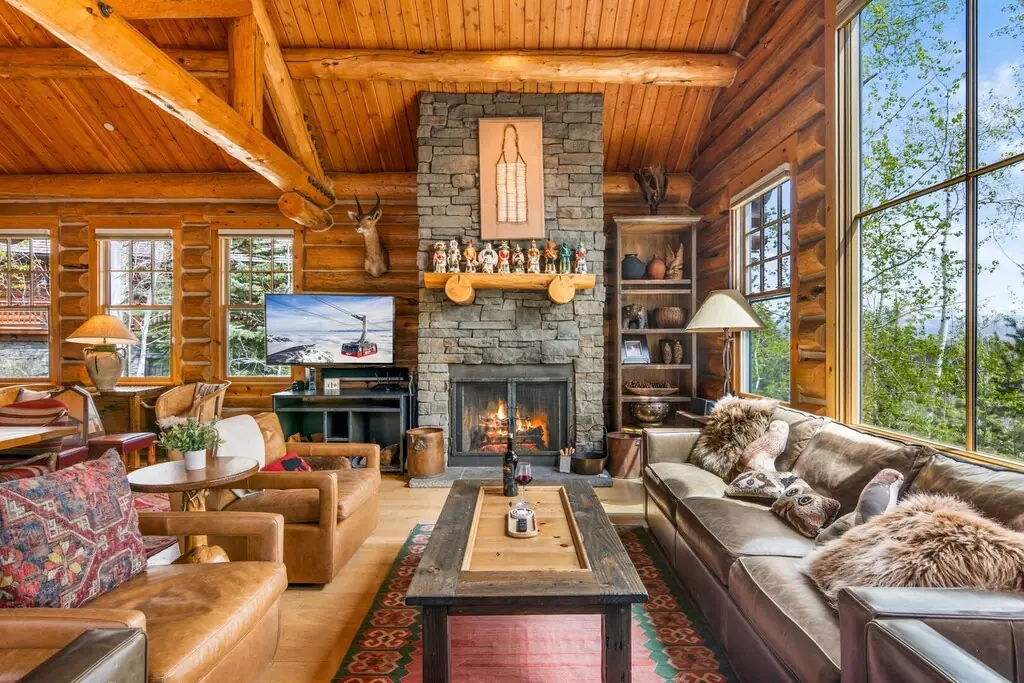
The phrase suite lifestyle destinations usa is frequently oversimplified. Commercial travel blogs often reduce intricate regional ecosystems to superficial popularity contests. Local municipal zoning laws and seasonal access get treated as mere marketing talking points. However, these generalized summaries ignore critical structural realities. Regional labor pools and infrastructural capacity demand careful attention. Furthermore, travelers must distinguish between seasonal tourist hubs and true residential-grade sanctuaries.
In professional asset evaluation, executing a proper regional analysis requires focusing on measurable structural parameters. These parameters include private aviation handling capacity and local healthcare response times. Moreover, municipal security integration and micro-climate stability dictate true lifestyle performance. A common misunderstanding assumes that premier destinations are defined exclusively by warm weather and high dining density. In reality, true exceptionalism lies in seamless operational discretion and local infrastructure resilience.
Analyzing these regional challenges requires recognizing a fundamental tension. Planners must balance accessibility with absolute environmental isolation. An asset analyst investigating suite lifestyle destinations usa will find hidden compromises. Locations claiming premier status frequently sacrifice local water security or suffer from severe seasonal overcrowding.
Planners relying entirely on surface-level tourism metrics routinely miss critical logistical flaws. Therefore, mastering the core principles involves deep regional collaboration. Local governance, independent hospitality operators, and master planners must unite. Together, they establish enduring benchmarks of domestic regional excellence.
Deep Contextual Background
The historical evolution of upscale regional enclaves traces distinct roots. Nineteenth-century industrial expansion created a wealthy class seeking seasonal climatic relief. Properties and private estates in locations like Newport, Rhode Island, and Asheville, North Carolina, established early domestic patterns. Private rail access and grand alpine hotels defined this era.
Throughout the mid-twentieth century, interstate highway development introduced standardized resort corridors. Uniform commercial tourism dominated many regional markets. However, a parallel boutique movement soon emerged. This movement prioritized hyper-localized cultural integration and ecological preservation.
By the mid-2020s, new socioeconomic shifts accelerated regional demand. The convergence of remote executive leadership and wealth migration changed local economies. Modern regional planners now balance high-tech infrastructural support with heritage preservation. Examining this sector requires navigating a mature domestic landscape. Historic mountain towns and coastal enclaves define the dual pillars of exceptional regional execution.
Conceptual Frameworks and Mental Models
Evaluating the structural maturity and experiential quality of premier regional hubs relies on structured mental models:
-
The Infrastructural Isolation Index: Measures the balance between complete environmental seclusion and reliable emergency medical and transport access.
-
The Local Labor Depth Coefficient: Evaluates the concentration of skilled hospitality, culinary, and technical personnel within a specific municipal radius.
-
The Micro-Economic Resilience Metric: Assesses how effectively a region maintains luxury service standards during unexpected weather shocks or economic shifts.
-
The Regulatory Friction Threshold: Quantifies local zoning strictness and its impact on private estate development and commercial property management.
Key Categories or Variations
| Destination Category | Primary Regional Focus | Core Operational Trade-Off |
| Coastal Heritage Enclaves | Maritime history, yachting infrastructure, and tidal seclusion | Delivers unmatched coastal atmosphere offset by vulnerability to extreme weather events |
| Alpine Sanctuary Valleys | Mountain topography, winter sports, and private chalet communities | Provides rugged isolation offset by seasonal accessibility bottlenecks |
| Desert Wellness Basins | Arid micro-climates, thermal springs, and minimalist architecture | Offers profound psychological quiet offset by extreme thermal management demands |
| Agricultural Wine Estates | Valley agrarian culture, private vineyards, and culinary tourism | Immerses guests in local terroir offset by rural distance from major medical centers |
| Island Preservation Hubs | Insular geography, marine conservation, and restricted vehicle access | Ensures absolute privacy offset by complex logistics for goods and personnel |
| Metropolitan Cultural Outposts | Urban core proximity paired with hidden residential micro-neighborhoods | Balances high cultural access offset by urban density and traffic congestion |
When applying decision logic to these variations, discerning travelers must align regional selection with the explicit purpose of the deployment. Coastal heritage enclaves suit family office gatherings and maritime retreats. Conversely, desert wellness basins and alpine sanctuaries attract creative project teams seeking uncompromised environmental restoration.
Detailed Real-World Scenarios
Orchestrating an Executive Strategy Summit in an Alpine Sanctuary Valley
A technology enterprise coordinates a week-long leadership offsite within a private chalet cluster in the Rocky Mountains.
-
Constraint: Directors require high-bandwidth fiber connectivity, complete acoustic privacy, and private helicopter landing clearance.
-
Failure Mode: Selecting a generic ski resort town results in public tourist congestion and unstable local internet bandwidth during peak hours.
-
Decision Point: Secure a private alpine compound featuring dedicated satellite backup links, secure private access roads, and local municipal coordination.
Securing a Multi-Generational Family Estate in a Coastal Heritage Enclave
A private family office coordinates an extended summer gathering across historic coastal estates in New England.
-
Constraint: The group requires accessible maritime transport, proximity to specialized marine medical care, and private waterfront security perimeters.
-
Failure Mode: Booking isolated coastal properties without adequate municipal infrastructure complicates daily logistics for elderly family members.
-
Decision Point: Position the gathering within a vetted coastal village featuring established private estate management and direct emergency response integration.
Managing a Creative Residency in a Desert Wellness Basin
A media production syndicate establishes a temporary project hub in the southern Arizona desert.
-
Constraint: The team requires absolute silence, uninterrupted power supplies, and secure local logistical staging for heavy equipment.
-
Failure Mode: Underestimating local grid vulnerabilities leads to unexpected power loss during extreme summer heatwaves.
-
Decision Point: Engage local property syndicates operating dedicated industrial backup generators and private utility redundancies.
Planning, Cost, and Resource Dynamics
Executing a reservation or relocation strategy within premier domestic regions involves balancing high financial outlays. Intangible assets like absolute privacy and regional safety justify these investments. Furthermore, the economic model requires analyzing indirect expenses against total trip value.
| Economic Variable | Financial Variability | Strategic Impact on Asset Evaluation |
| Regional Real Estate Tariffs | Premium Fixed Cost | Secures long-term inventory access but requires capital commitment |
| Specialized Local Retainers | Variable Service Fee | Ensures hyper-attentive local support offset by substantial administrative overhead |
| Private Logistical Transfers | Hourly Professional Rate | Safeguards transit privacy offset by complex flight and ground coordination |
| Regional Security Surcharges | Municipal Contract Cost | Guarantees uncompromised safety offset by continuous community engagement |
Tools, Strategies, and Support Systems
-
Regional Concierge Syndicates: Vetted local networks providing unadvertised property access, priority dining reservations, and direct municipal contacts.
-
Private Aviation FBO Networks: Specialized fixed-base operators managing seamless tarmac-to-estate transfers for high-profile arrivals.
-
Local Medical and Security Liaison Desks: Direct communication channels ensuring rapid emergency response planning across remote regional hubs.
-
Property Asset Management Portals: Proprietary software tracking regional weather alerts, utility maintenance schedules, and staffing rosters.
-
Exclusive Cultural Consortia: Direct pathways to private museum viewings, closed-door culinary tastings, and restricted natural reserves.
Risk Landscape and Failure Modes
The primary operational hazard inherent in choosing top-tier regional destinations involves unexpected environmental vulnerability. Luxury marketing materials frequently showcase pristine natural landscapes while obscuring wildfire risks, coastal erosion, or severe winter storm isolation. Discerning travelers mitigate this hazard by auditing local municipal disaster preparedness plans and utility redundancies prior to confirmation.
Another compounding risk relates to labor shortages during shoulder seasons. When remote resort regions experience abrupt shifts in tourism volume, local service infrastructure can experience severe bottlenecks. Professional planners counteract this by partnering with independent estate management firms that employ permanent, dedicated staff rather than relying on seasonal hospitality labor pools.
Governance, Maintenance, and Long-Term Adaptation
Sustaining high standards across elite regional portfolios requires a disciplined review process. Corporate travel managers and family office directors must maintain updated dossiers on partnered destinations. Tracking shifts in local zoning laws, municipal tax structures, and environmental regulations prevents unpleasant surprises. Furthermore, if a destination demonstrates declining infrastructural reliability, planners must promptly reallocate operations to emerging regions.
Regional governance must also adapt to shifting climate patterns and technological advancements in energy grids. Maintaining ongoing dialogues with local chambers of commerce and property ownership groups ensures clients retain access to resilient inventory. Proactive governance protects both invested capital and long-term regional stability.
Measurement, Tracking, and Evaluation
-
Infrastructural Reliability Index: Measures the consistency of local utility, transport, and communication networks during high-occupancy periods.
-
Local Discretion Score: Evaluates the privacy, anonymity, and professional boundaries maintained by local service providers and media.
-
Experiential Yield Ratio: Quantifies the tangible value of regional cultural and wellness assets against total invested financial capital.
-
Destination Retention Rate: Tracks the frequency with which a traveler or organization returns to a specific region based on past success.
Common Misconceptions and Oversimplifications
-
Myth: Booking through major consumer travel platforms guarantees access to the best regional properties. Reality: Consumer platforms often lack direct ties to private estate owners and local syndicates.
-
Myth: The most expensive destination market automatically provides the highest operational security and privacy. Reality: Heavily commercialized luxury hubs often suffer from excessive paparazzi and public visibility.
-
Myth: Rural and wilderness regions maintain identical infrastructural reliability as major metropolitan centers. Reality: Remote areas frequently struggle with legacy power grids and limited emergency medical access.
-
Myth: Requesting custom regional logistics requires minimal advance planning if capital is available. Reality: Complex regional transfers demand months of advance municipal clearance and staffing coordination.
-
Myth: Island destinations offer superior privacy compared to continental mountain and desert enclaves. Reality: Insular geographies often feature restricted transit corridors that complicate emergency evacuations.
-
Myth: Independent boutique destinations lack the professional management standards of corporate resort chains. Reality: Many independent regional hubs deliver superior, hyper-customized local execution.
Ethical, Practical, or Contextual Considerations
Evaluating the curation of premier domestic regions intersects with broader environmental discussions. High-end travelers demand extravagant water and energy consumption patterns within fragile desert and island ecosystems. Consequently, destinations face immense pressure to balance luxury opulence with ecological stewardship. Progressive regional operators address these challenges by investing in microgrids, water conservation, and community development. Simultaneously, ensuring fair compensation and dignified working conditions for local service staff remains a core ethical imperative.
Conclusion
Mastering the complexities involved in identifying, evaluating, and securing experiences within the finest suite lifestyle destinations usa requires an uncompromising analytical perspective. True authority involves looking past promotional marketing imagery to examine infrastructural reliability, local labor depth, and environmental resilience. Approaching elite domestic regional curation with professional intellectual honesty ensures lasting success. Discerning travelers achieve absolute operational harmony, uncompromised personal comfort, and enduring experiential yield across any destination within the United States.