
Suite Hotels Booking Plans: Definitive Guide & Analysis
The architecture of elite guest reservations has shifted beyond simple nightly transactions, evolving into a sophisticated ecosystem of multi-tiered inventory allocation, corporate master contracts, and dynamic lifestyle memberships. As high-net-worth travelers, family offices, and multinational corporations demand absolute scheduling certainty, traditional hotel booking engines face structural strain. Navigating premier reservation frameworks requires an understanding of guaranteed inventory yields, dynamic pricing caps, and reciprocal portfolio agreements. Consequently, when evaluating the mechanics behind suite hotels booking plans, travel strategists must balance absolute spatial autonomy with long-term asset predictability.
Furthermore, the international market for multi-room executive suites and extended-stay residences operates under shifting real estate yields, labor availability pressures, and strict compliance mandates regarding data security. Standard aggregators and consumer travel portals routinely fail to capture the operational variables that define exceptional reservation execution, such as private subterranean arrival slots, dedicated cryptographic IT provisioning, and bespoke interior modification rights. Therefore, establishing a rigorous methodology to evaluate suite hotels booking plans ensures long-term value preservation, operational resilience, and asset accountability across diverse global destinations.
Navigating this specialized asset class demands an uncompromising editorial perspective. Whether evaluating a vertical glass penthouse in a global financial center, a restored historic European grand hotel suite, or a remote alpine wellness compound, understanding underlying reservation mechanics safeguards against hidden administrative fees and service degradation. Ultimately, this comprehensive guide provides an objective examination of conceptual frameworks, error taxonomies, and strategic methodologies required to govern high-end hospitality allocations with absolute precision.
Understanding “suite hotels booking plans”
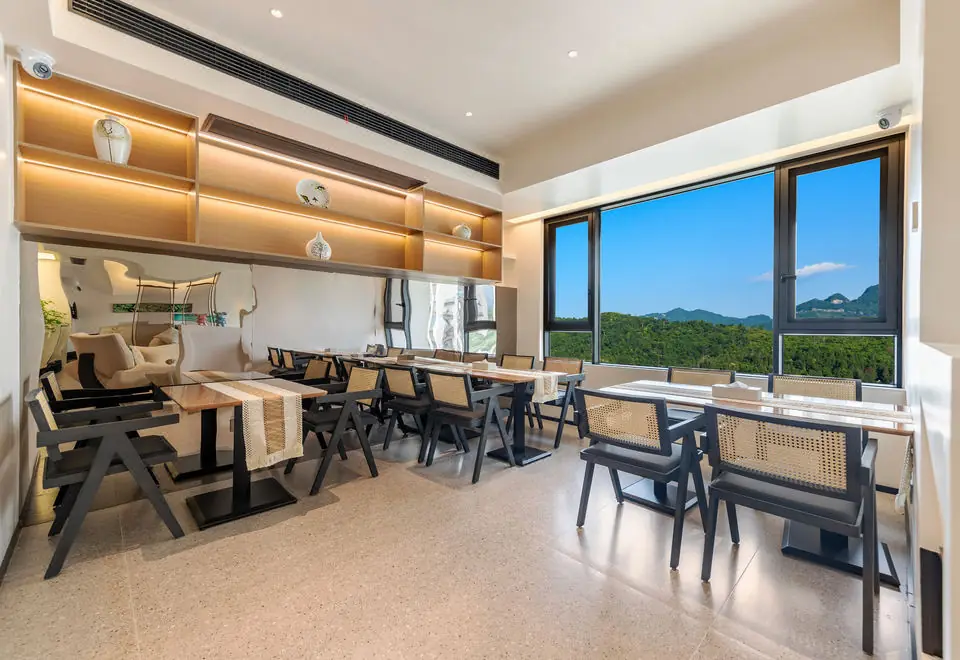
The phrase suite hotels booking plans is frequently co-opted by commercial hotel marketing departments and automated booking portals that reduce complex inventory agreements, private residential club memberships, and guaranteed allocation contracts to generic promotional emails. These consumer summaries ignore critical structural realities like blackout dates during high-demand regional events, strict minimum annual spend requirements, and ambiguous terms regarding suite category downgrades. In professional travel asset evaluation, executing a proper analysis of suite hotels booking plans requires focusing on measurable structural and operational parameters. These parameters include guaranteed inventory percentages, fixed versus dynamic pricing caps, bespoke interior modification allowances, and reciprocal property exchange ratios. A common misunderstanding assumes that purchasing a high-tier hotel loyalty membership or extended-stay plan automatically grants unconditional access to premier penthouse suites at any time. In reality, luxury hospitality operators protect their highest-yielding inventory for direct unencumbered bookings or long-term private leaseholders.
Analyzing these operational challenges requires recognizing the tension between standardized loyalty framework rules and personalized guest autonomy. An analytical manager evaluating a global hotel chain’s premier suite membership will find that complex redemption rules can conflict with unpredictable executive travel schedules or multi-family relocation timelines. Planners relying exclusively on surface-level marketing descriptions routinely miss critical operational fine print. Furthermore, mastering the principles behind structured suite hotels booking plans involves assessing how hospitality executives, real estate asset managers, and legal counsels collaborate to deliver seamless, un-metered accommodations without sacrificing portfolio profitability or service consistency.
Deep Contextual Background
The historical evolution of long-term hotel suite programs traces its origins to nineteenth-century European grand hotels and early twentieth-century American residential apartment-hotels. Wealthy aristocrats, industrialists, and artists frequently leased permanent suites in iconic metropolitan properties for months or years at a time, establishing private domestic households supported by full hotel staff, in-house valets, and grand dining salons.
Throughout the late twentieth century, the rise of branded hotel residencies and corporate housing agreements modernized this concept. Major hospitality conglomerates recognized an opportunity to secure predictable, high-yield revenue by offering frequent travelers structured multi-property access programs. By the mid-2020s, the convergence of remote executive leadership, private wealth expansion, and flexible asset management drove demand for sophisticated suite plans that bridged the gap between residential real estate ownership and five-star hospitality. Examining this modern sector requires navigating a mature, competitive global market where boutique ownership groups and global hospitality brands define the baseline of exceptional consolidated execution.
Conceptual Frameworks and Mental Models
Evaluating the structural maturity of elite hotel suite programs relies on structured mental models:
-
The Guaranteed Inventory Ratio: Measures the percentage of peak-season penthouse and premier suite inventory contractually reserved for plan holders versus public sale.
-
The Spatial Flexibility Index: Evaluates the capacity of the program to adjust suite square footage, connecting rooms, and layout configurations based on changing family or business needs.
-
The Capital Efficiency Quotient: Assesses the upfront financial commitment and annual maintenance fees against the equivalent cost of ad-hoc luxury bookings.
-
The Reciprocal Portability Threshold: Quantifies how seamlessly membership privileges transfer across international partner properties and independent boutique portfolios.
Key Categories or Variations
| Suite Program Category | Primary Operational Structure | Core Operational Trade-Off |
| Global Branded Residence Memberships | Multi-property programs tied to major international hospitality conglomerates | Delivers vast geographic reach and standardized luxury offset by rigid corporate redemption rules |
| Independent Boutique Heritage Club Plans | Exclusive access programs managed by single-owner historic European properties | Provides exceptional personalized service and historic charm offset by limited global scale |
| Fractional Private Residence Clubs | Real estate-backed equity plans offering guaranteed annual weeks in luxury suites | Ensures tangible property asset backing offset by high capital outlay and illiquidity |
| Corporate Master Lease Agreements | Multi-month corporate commitments securing dedicated penthouse inventory | Guarantees continuous availability for executive teams offset by high fixed monthly overhead |
| Private Aviation and Suite Bundles | Integrated travel frameworks combining private jet hours with hotel suite allocations | Maximizes seamless transit and lodging coordination offset by extreme financial cost |
| Seasonal Alpine and Coastal Memberships | Regional programs offering guaranteed access during specific peak holiday windows | Secures high-demand resort inventory offset by zero flexibility outside contracted seasons |
When applying decision logic to these variations, curators must align program selection with the specific frequency and geographic dispersion of the traveler. Global branded residence memberships and corporate master lease agreements suit frequent multi-city executives requiring predictable urban accommodations. Meanwhile, fractional private residence clubs and seasonal alpine memberships attract families seeking reliable annual vacation sanctuaries in high-demand leisure destinations.
Detailed Real-World Scenarios
Executing a Multi-City Executive Relocation via a Corporate Master Lease
A multinational technology firm secures a multi-month suite plan across three international financial capitals to house incoming C-suite executives during corporate restructuring.
-
Constraint: Strict immigration timelines and confidential executive schedules require immediate, move-in-ready residential suites with secure private office setups.
-
Failure Mode: Standard hotel reservations face rolling availability bottlenecks, forcing executives to relocate between different rooms every few days and disrupting productivity.
-
Decision Point: Contract directly with a global hotel brand’s corporate housing division to lock in dedicated residential suites under a master lease agreement with guaranteed inventory extensions.
Managing an Annual Family Portfolio via a Fractional Residence Club
A family office principal evaluates a fractional ownership suite plan in a historic alpine resort to guarantee winter and summer holiday accommodations for multiple family branches.
-
Constraint: Extended family members require varying suite configurations and independent booking windows that frequently overlap during peak Christmas and New Year holiday weeks.
-
Failure Mode: Fixed-week fractional models create scheduling conflicts among family beneficiaries, leading to bitter disputes over prime holiday allocations.
-
Decision Point: Transition to a points-based luxury residence club model that allows dynamic swapping of dates, suite sizes, and participating global resort properties.
Planning, Cost, and Resource Dynamics
Executing a procurement strategy for elite hotel suite programs involves balancing substantial upfront capital outlays or annual membership dues against the long-term cost avoidance of dynamic peak-season rates. The economic model requires analyzing indirect expenses—such as annual property maintenance assessments, food and beverage minimum spend requirements, and currency exchange fluctuations—against total travel expenditures.
| Economic Variable | Financial Variability | Strategic Impact on Asset Evaluation |
| Upfront Membership Initiation Fees | Fixed Capital Outlay | Secures long-term access rights but ties up significant liquid capital |
| Annual Maintenance and Service Assessments | Variable Inflation Index | Covers ongoing property upkeep, staff salaries, and capital reserve funds |
| Peak-Season Surcharge Protections | Contractually Fixed | Prevents exorbitant rate spikes during high-demand global events and holidays |
| Unused Night Forfeiture Risk | Sunk Opportunity Cost | Measures financial loss if contracted suite nights are not utilized within the annual cycle |
Tools, Strategies, and Support Systems
-
Dedicated Private Concierge Portals: Secure digital platforms allowing plan holders to coordinate custom suite setups, private aviation transfers, and dining reservations directly with estate managers.
-
Real-Time Inventory Tracking Systems: Proprietary software applications displaying live availability across multi-property portfolio networks.
-
Legal and Contractual Review Frameworks: Specialized advisory services auditing complex membership terms, exit clauses, and asset-backed guarantees.
-
Encrypted Asset Management Ledgers: Digital ledgers tracking annual usage rights, point balances, and financial assessments across fractional holdings.
-
Bespoke Storage and Luggage Forwarding Services: Secure facilities storing personal belongings between stays so suites reflect a personalized residential environment upon arrival.
Risk Landscape and Failure Modes
The primary operational hazard inherent in suite membership programs involves counterparty financial stability and hotel operator insolvency. Memberships and long-term master leases often require substantial upfront capital deposits or initiation fees paid years in advance. If a resort ownership group experiences severe financial distress, bankruptcy, or corporate restructuring, plan holders risk losing their capital deposits and access rights.
Another compounding risk relates to property degradation and deferred maintenance across aging hotel portfolios. Even the most prestigious historic properties can experience failing plumbing, outdated climate control systems, or declining service standards over multi-year contract cycles. Asset managers mitigate this by embedding rigorous property maintenance benchmarks and audit rights directly into the legal framework of the suite agreement.
Governance, Maintenance, and Long-Term Adaptation
Sustaining operational excellence across complex hotel suite portfolios requires a disciplined administrative governance framework. Asset owners, family office directors, and corporate travel managers must institute annual program reviews, auditing inventory utilization rates, service quality scores, and financial assessments. If a partnered hotel property demonstrates declining maintenance standards or chronic inventory unavailability during requested windows, plan holders must execute contractual exit or relocation clauses.
Furthermore, risk governance must adapt to shifting global travel patterns, economic volatility, and emerging environmental sustainability mandates. Maintaining ongoing dialogues with hospitality operators ensures that partnered properties invest in energy-efficient infrastructure, advanced air filtration systems, and resilient structural engineering. Proactive governance protects both capital investments and executive comfort across global portfolios.
Measurement, Tracking, and Evaluation
-
Inventory Fulfillment Percentage: Measures the ratio of successfully secured premier suite nights against requested reservation dates.
-
Cost-per-Night Comparative Index: Evaluates the effective nightly cost of the membership plan against equivalent market rates for unencumbered luxury bookings.
-
Service Customization Satisfaction: Assesses feedback regarding pre-arrival room personalization, dietary preferences, and staff responsiveness.
-
Asset Liquidity and Resale Value: Quantifies the market liquidity and secondary transfer value of fractional ownership or equity-backed suite shares.
Common Misconceptions and Oversimplifications
-
Myth: Purchasing an elite hotel suite program guarantees lifetime ownership of a specific physical room within the property. Reality: Most programs grant access to a specific suite category or point value rather than a deeded real estate title to a single room.
-
Myth: Suite membership plans are always more cost-effective than booking luxury rooms on a pay-as-you-go basis. Reality: Plans often carry high initiation fees and mandatory annual dues that only make financial sense for ultra-frequent travelers.
-
Myth: Global branded residence plans allow seamless, unrestricted booking across any participating hotel without advance notice. Reality: High-demand properties enforce strict booking windows and priority quotas that can restrict access during peak seasons.
-
Myth: Corporate master lease agreements shield companies from liability if employees damage hotel property during long stays. Reality: Master leases include strict liability clauses holding the corporate entity financially responsible for interior damages and excessive wear.
-
Myth: Fractional suite clubs operate with zero ongoing financial obligations beyond the initial purchase price. Reality: Members are invariably subject to annual maintenance assessments, property tax allocations, and capital reserve fees.
-
Myth: Concierge teams managing suite programs have the legal authority to alter standard property operating rules. Reality: Concierges operate within strict brand standards and cannot override overarching property management policies.
Ethical, Practical, or Contextual Considerations
Evaluating the proliferation of long-term hotel suite programs and branded residential developments intersects with broader discussions surrounding urban real estate inflation, housing availability, and community displacement in global metropolitan and resort markets. As prime land and historic hotels are converted into private fractional clubs and corporate compounds, local housing markets can experience severe price escalation. Progressive operators and asset managers address these challenges by supporting regional affordable housing initiatives, preserving historic architectural integrity, and contributing to local municipal development funds.
Conclusion
Mastering the complexities involved in identifying, evaluating, and securing travel portfolios centered on discovering optimized suite hotels booking plans requires an uncompromising analytical perspective. True authority involves looking past promotional marketing imagery to examine guaranteed inventory ratios, contractual exit terms, and spatial flexibility indices. Approaching suite reservation program curation with professional rigor ensures that discerning travelers achieve absolute operational harmony, uncompromised privacy, and enduring asset value across any global theater.