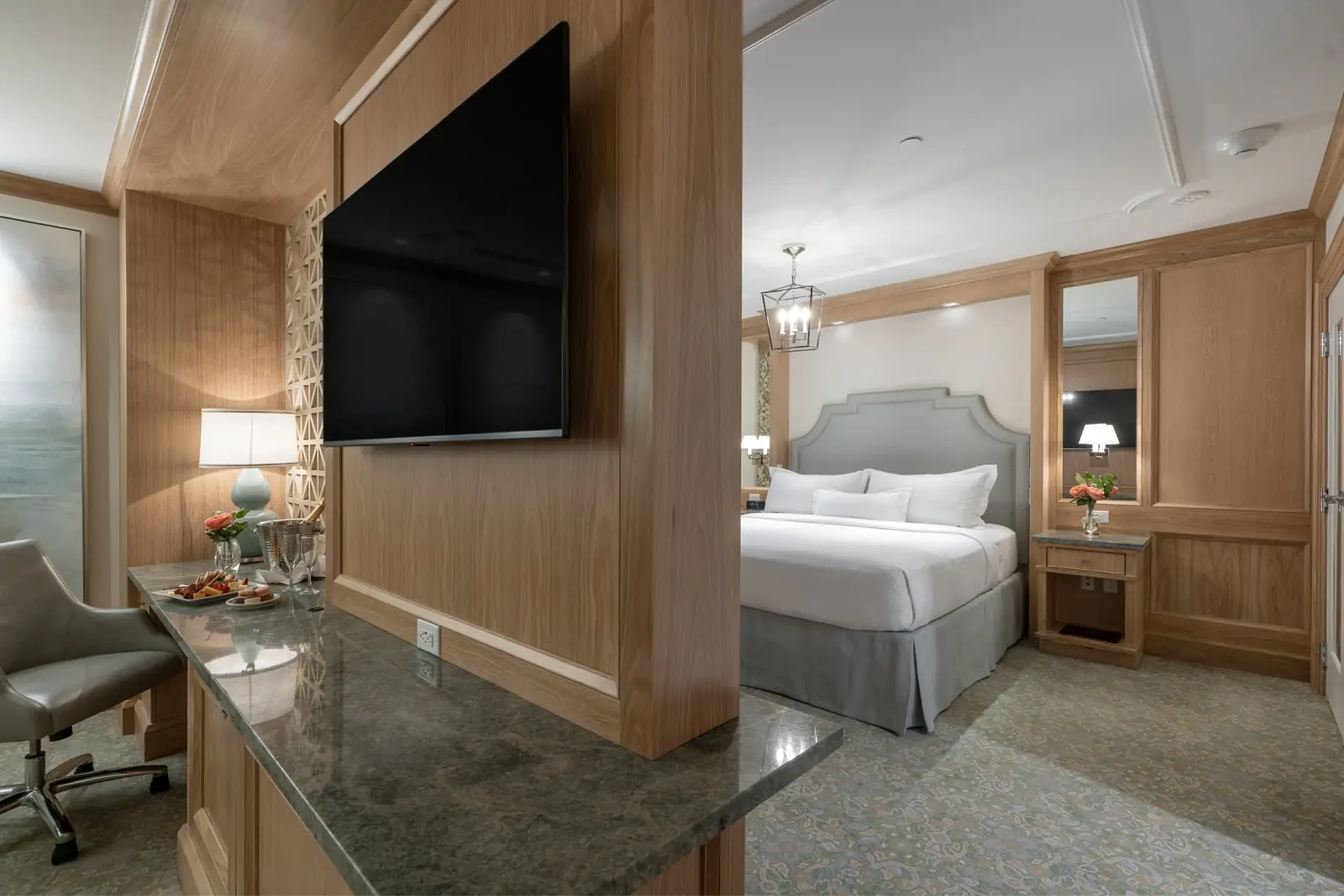
Compare Suite Hotels: Definitive Guide & Analytical Framework
The modern landscape of high-end travel accommodations has evolved far beyond simple room size upgrades. Discerning family office directors, corporate real estate managers, and luxury travel strategists now approach upscale property evaluation through rigorous structural matrices. When analyzing multiple high-end properties, professionals must look past marketing glossies. They need to assess sound transmission classes, private elevator capacities, culinary infrastructure tolerances, and long-term lease terms. Consequently, when travel planners attempt to compare suite hotels, they must balance absolute personal privacy with complex spatial architecture and service ratio densities.
Furthermore, the domestic and international markets for multi-room executive apartments, branded residencies, and historic urban compounds operate under shifting capital yields, labor pressures, and data security mandates. Standard consumer aggregators routinely fail to capture the variables that govern exceptional execution. These variables include private subterranean valet docks, dedicated cryptographic IT routing, and bespoke interior modification rights. Therefore, establishing a disciplined methodology to compare suite hotels ensures long-term value preservation, operational resilience, and asset accountability across diverse global destinations.
Navigating this specialized asset class demands an uncompromising editorial perspective. Whether evaluating a vertical glass penthouse in a financial center, a restored historic European grand hotel suite, or a remote alpine wellness compound, understanding underlying operational realities safeguards against hidden administrative fees. Ultimately, this comprehensive guide provides an objective examination of conceptual frameworks, error taxonomies, and strategic methodologies. These tools are essential for anyone seeking to compare suite hotels with absolute precision and intellectual rigor.
Understanding “compare suite hotels”
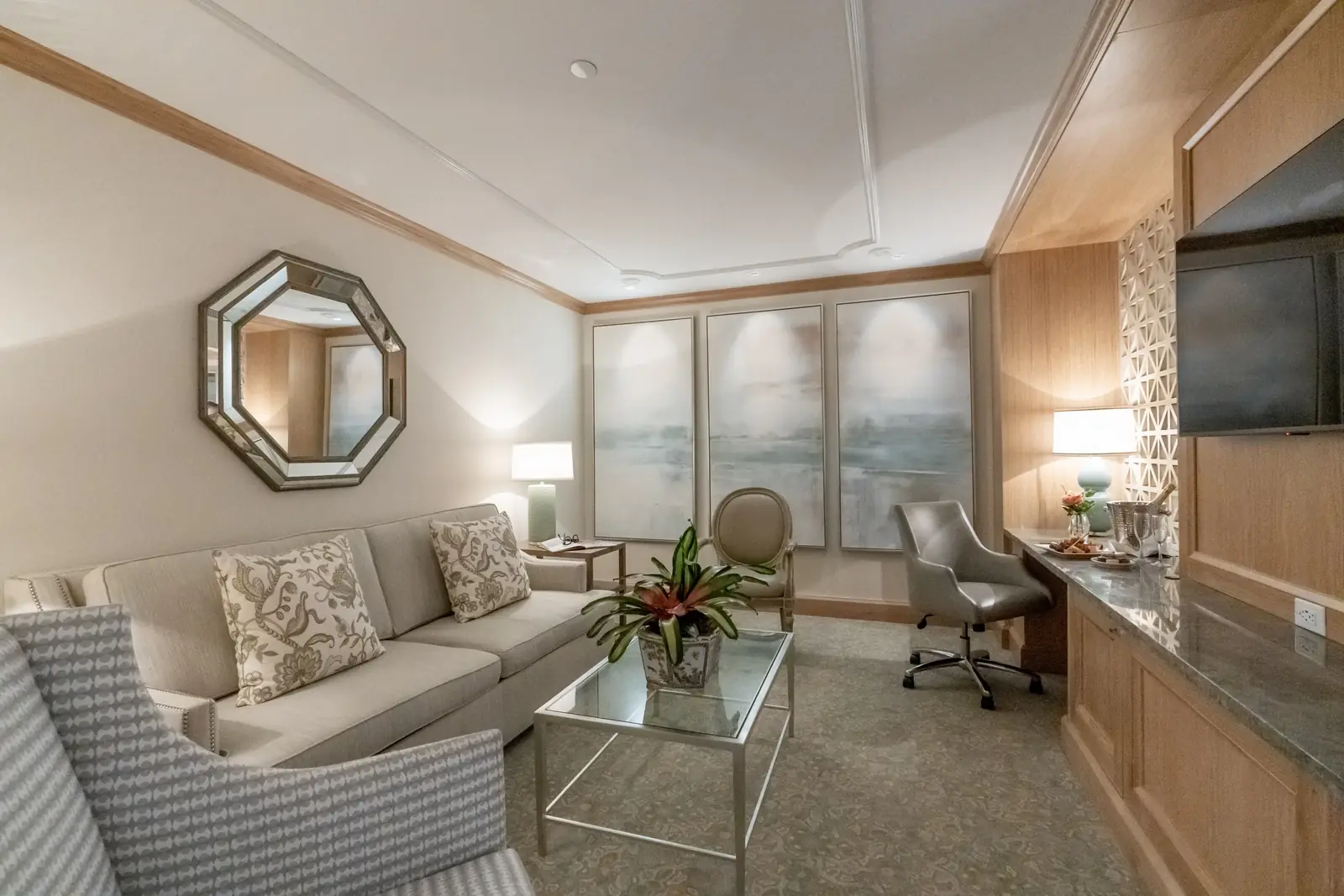
The phrase compare suite hotels is frequently co-opted by travel blogs and automated booking portals that reduce complex architectural layouts and proprietary butler services to basic square footage comparisons. These consumer summaries ignore critical structural realities like wall decibel attenuation ratings, kitchen ventilation capacities, and strict restrictions on commercial or legal hosting. In professional travel asset evaluation, executing a proper analysis when people compare suite hotels requires focusing on measurable structural and operational parameters. These parameters include interior bath-to-bedroom ratios, dedicated service corridors, and independent cryptographic network capabilities. A common misunderstanding assumes that evaluating luxury tier properties relies solely on nightly tariffs or aesthetic styling. In reality, traditional hospitality design often prioritizes visual grandeur over functional workspace zoning and acoustic privacy.
Analyzing these operational challenges requires recognizing the tension between opulent design and rigorous functional utility. An analyst attempting to compare suite hotels will find that expansive floor-to-ceiling glass facades reflect audio waves, creating severe echo during secure virtual conferences and risking information leakage. Planners relying exclusively on surface-level marketing descriptions routinely miss critical infrastructure constraints. Furthermore, mastering the principles behind efforts to compare suite hotels involves assessing how hospitality architects, structural engineers, and estate managers collaborate to retrofit high-end environments for seamless long-term living.
Deep Contextual Background
The historical evolution of multi-room luxury hospitality traces its origins to nineteenth-century grand railway hotels and early twentieth-century residential apartment-hotels. Aristocrats, industrialists, and long-term travelers frequently leased permanent suites in iconic urban properties, establishing private domestic households supported by full hotel staff and grand dining salons.
Throughout the late twentieth century, the rise of branded hotel residencies and all-suite hotel chains modernized this concept. Major hospitality brands recognized an opportunity to capture high-yield business and family travel by offering multi-room layouts equipped with residential kitchens and separate living zones. By the mid-2020s, the convergence of remote executive leadership, multi-generational family travel, and flexible asset management drove demand for sophisticated suite properties. Examining this modern sector requires navigating a mature, competitive global market where boutique ownership groups and global hospitality conglomerates define the baseline of exceptional consolidated execution.
Conceptual Frameworks and Mental Models
Evaluating the structural maturity of multi-room suite properties relies on structured mental models:
-
The Spatial Zoning Index: Measures the physical separation between public entertainment zones, private sleeping quarters, and secure administrative work areas.
-
The Acoustic Isolation Quotient: Evaluates wall and floor decibel attenuation ratings to prevent sound bleed from adjacent suites or public corridors.
-
The Culinary Infrastructure Capacity: Assesses whether in-suite kitchens feature professional-grade ventilation, refrigeration, and prep space for private chefs.
-
The Logistical Autonomy Threshold: Quantifies how efficiently the property manages private arrivals, secure luggage handling, and direct elevator access.
Key Categories or Variations
| Suite Hotel Category | Primary Architectural Profile | Core Operational Trade-Off |
| Metropolitan Vertical Penthouses | Multi-level glass-and-steel towers situated in major global commercial centers | Delivers immediate urban access offset by high ambient noise and limited outdoor space |
| Historic Grand Hotel Suites | Restored 19th-century architectural properties featuring high ceilings and moldings | Provides immense historic character offset by legacy plumbing and rigid floor plans |
| Extended-Stay Residential Compounds | Low-rise garden villas equipped with full commercial-grade kitchens and laundries | Ensures maximum domestic independence offset by reduced on-site dining variety |
| Alpine Ski-In Chalet Suites | Timber-and-stone mountain lodges featuring private ski lockers and boot warmers | Offers immediate slope proximity offset by severe weather vulnerability and isolation |
| Coastal Eco-Resort Pavilions | Stilted open-air wooden structures integrated directly into tropical shorelines | Maximizes immersive natural connection offset by humidity and maintenance challenges |
| Integrated Gaming Resort Estates | Expansive multi-room suites located within massive entertainment complexes | Provides vast entertainment options offset by heavy public foot traffic and crowds |
When applying decision logic to these variations, curators must align property selection with the specific travel objective. Metropolitan vertical penthouses and historic grand hotel suites suit legal and financial teams requiring proximity to urban commercial hubs. Meanwhile, extended-stay residential compounds and coastal eco-resort pavilions attract families and wellness travelers seeking privacy, natural light, and domestic convenience.
Detailed Real-World Scenarios
Executing a Long-Term Executive Relocation Across Competing Extended-Stay Compounds
A technology corporation evaluates multiple residential properties to coordinate a three-month relocation for an incoming engineering director and family.
-
Constraint: The family requires complete domestic independence, including in-unit laundry, customized dietary prep space, and a quiet home office setup.
-
Failure Mode: Standard luxury hotel suites lack full kitchens and in-unit laundry facilities, forcing reliance on external laundry services and room service, which strains family routines.
-
Decision Point: Contract with a specialized residential suite property featuring full-size kitchen appliances, dual-zone air conditioning, and a dedicated workspace.
Managing a High-Stakes Legal War Room Across Competing Metropolitan Penthouses
A litigation team reviews competing penthouse suites in a major financial capital to prepare for a multi-week arbitration hearing.
-
Constraint: The suite must accommodate up to ten attorneys, secure document printing stations, and absolute acoustic privacy.
-
Failure Mode: Standard hotel meeting rooms lack secure overnight document storage and permit outside staff entry, risking confidentiality breaches.
-
Decision Point: Secure a penthouse with solid-core interior doors, private keycard elevator access, and a secure study capable of housing locked document cabinets.
Planning, Cost, and Resource Dynamics
Executing a procurement strategy for multi-room suite properties involves balancing premium nightly rates against the total value of un-metered residential amenities, avoided external office rentals, and kitchen cost savings. The economic model requires analyzing indirect expenses—such as resort cleaning fees, valet parking tariffs, and private chef coordination surcharges—against total project budgets.
| Economic Variable | Financial Variability | Strategic Impact on Asset Evaluation |
| Extended-Stay Tiered Rate Discounts | Variable Sliding Scale | Significantly reduces nightly expenditures during multi-week project deployments |
| In-Suite Culinary and Bar Provisioning | Consumable Surcharge | Determines whether kitchen stocking and private chef services incur extra billing |
| Dedicated Parking and Valet Access | Fixed Daily Fee | Essential for secure vehicle transport and equipment loading during extended stays |
| Third-Party Contractor Access Fees | Policy-Dependent | Governs whether outside IT technicians or security personnel can enter the suite |
Tools, Strategies, and Support Systems
-
Encrypted Property Management Portals: Secure digital platforms allowing guests to coordinate maintenance, housekeeping schedules, and security clearances directly with estate staff.
-
Portable Secure Wi-Fi and VPN Routers: Hardware tools establishing encrypted network tunnels for confidential corporate data transmissions.
-
Acoustic Decibel Meters: Diagnostic instruments used by security teams to verify sound attenuation across suite partition walls prior to sensitive meetings.
-
Secure Document Shredding and Storage Bins: Commercial-grade disposal units deployed directly within the suite for legal and financial document management.
-
Bespoke Concierge Direct-Line Apps: Dedicated mobile applications connecting guests instantly with head concierges for priority restaurant and transport bookings.
Risk Landscape and Failure Modes
The primary operational hazard inherent in suite hotel properties involves unexpected infrastructural failures during extended stays. High-end multi-room suites feature complex mechanical systems, including multi-zone climate control, integrated smart-home automation, and commercial-grade plumbing. When a central HVAC compressor fails in a sprawling penthouse during peak summer temperatures, guest comfort is severely compromised, requiring immediate relocation.
Another compounding risk relates to security vulnerabilities in shared residential-hotel hybrid properties. Buildings that combine permanent private condominium owners with transient hotel guests frequently experience heavy public traffic through elevators and lobbies. Asset managers mitigate this by securing dedicated private elevator shafts and keycard-locked residential floors.
Governance, Maintenance, and Long-Term Adaptation
Sustaining operational excellence across suite hotel portfolios requires a disciplined administrative governance framework. Asset owners, general managers, and corporate housing directors must institute regular pre-arrival inspection protocols, verifying exact lighting, plumbing, and network functionality. If a partnered property demonstrates deferred maintenance or inconsistent housekeeping standards, corporate housing coordinators must blacklist the property from future deployment rosters.
Furthermore, risk governance must adapt to shifting environmental regulations, energy efficiency standards, and evolving guest expectations regarding wellness. Maintaining ongoing dialogues with hospitality operators ensures that partnered properties invest in advanced air filtration systems, smart energy management, and sustainable waste recycling. Proactive governance protects both capital investments and guest satisfaction across global portfolios.
Measurement, Tracking, and Evaluation
-
Mechanical Uptime Percentage: Measures the continuous operational reliability of suite climate control, plumbing, and electrical systems.
-
Housekeeping Disruption Index: Quantifies guest satisfaction regarding the discretion and timing of daily housekeeping and turndown services.
-
Spatial Ergonomic Rating: Evaluates post-stay feedback from corporate teams and families regarding furniture layout and workspace functionality.
-
Logistical Check-In Velocity: Tracks the duration required to transition from vehicle arrival to suite entry without administrative friction.
Common Misconceptions and Oversimplifications
-
Myth: Any hotel labeled as an “all-suite property” provides full-sized residential kitchens in every room. Reality: Many suite hotels feature only basic wet bars, mini-fridges, and microwaves rather than fully equipped culinary prep kitchens.
-
Myth: Booking a multi-room suite automatically guarantees private elevator access bypassing the main hotel lobby. Reality: Dedicated private elevators are typically reserved exclusively for top-tier penthouses or ultra-luxury branded residences.
-
Myth: Extended-stay suite hotels operate with zero minimum night requirements during peak seasonal holidays. Reality: Properties enforce strict minimum stay rules ranging from three to fourteen nights during high-demand periods.
-
Myth: In-suite laundry machines in hotel suites are always free for guest use without service charges. Reality: Some properties include complimentary detergent and machines, while others bill heavy fees for commercial laundry cycles.
-
Myth: Suite hotel Wi-Fi networks are secure enough for transmitting unencrypted banking and legal data. Reality: Public hospitality networks require supplemental VPN encryption to protect sensitive enterprise communications.
-
Myth: On-site engineering staff are available 24 hours a day to fix custom smart-home automation glitches. Reality: Complex automation systems often require specialized third-party technician callouts that can take hours to resolve.
Ethical, Practical, or Contextual Considerations
Evaluating the proliferation of luxury suite hotels and branded residential conversions intersects with broader discussions surrounding urban housing affordability, real estate displacement, and municipal zoning regulations. As historic urban properties and coastal land parcels are converted into high-end suite compounds, surrounding residential housing markets can experience price escalation. Progressive operators address these challenges by contributing to local infrastructure funds, employing local workforces with fair wages, and preserving historic architectural facades.
Conclusion
Mastering complexities involved in identifying, evaluating, and securing travel portfolios centered on discovering how to compare suite hotels requires an uncompromising analytical perspective. True authority involves looking past promotional marketing imagery to examine spatial zoning indexes, acoustic isolation ratings, and mechanical reliability. Approaching property evaluation with professional rigor ensures that discerning travelers achieve absolute operational harmony, uncompromised privacy, and enduring satisfaction across any global destination.